
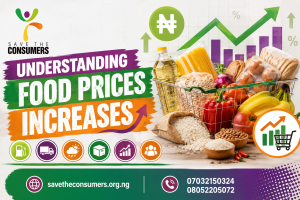
Understanding Food Price Increases
Food price increases, often called food inflation, occur when the cost of food products rises over time. These increases can make it more difficult for individuals and families to afford basic meals and maintain standard of living.
- Rising Production Costs
When the cost of seeds, fertilizer, animal feed, fuel, electricity, and labour increases, farmers and food producers may raise their prices to cover these expenses.
- Transportation and Fuel Costs
Food often needs to be transported from farms and production centres to markets. Higher fuel and transportation costs can increase the final price consumers pay.
- Inflation
General inflation reduces purchasing power and can increase the costs of goods and services throughout the food supply chain.
- Exchange Rate Changes
When a country depends on imported food, machinery, raw materials, or agricultural inputs, changes in the exchange rate can make these items more expensive, contributing to higher food prices.
- Weather and Climate Conditions
Droughts, floods, excessive rainfall, and other extreme weather conditions can reduce agricultural production. When supply decreases while demand remains high, prices may rise.
- Supply Chain Problems
Poor roads, storage challenges, delays, insecurity, and other disruptions can make it more difficult and expensive to move food from producers to consumers.
- Increased Demand
A growing population or sudden increase in demand for certain food products can lead to higher prices, especially when supply cannot increase quickly enough.
- Seasonal Changes
Some foods become more expensive when they are out of season because they are less available.
Effects on Consumers
Food price increases can:
- Reduce household purchasing power.
- Make it harder for families to afford nutritious meals.
- Force consumers to reduce the quantity or variety of food they buy.
- Increase financial pressure on households.
- Encourage consumers to seek cheaper alternatives, which may sometimes be of lower quality.
What Can Consumers Do?
Consumers can reduce the impact of rising food prices by:
- Planning meals and shopping with a budget.
- Comparing prices from different sellers.
- Buying seasonal foods when possible.
- Avoiding unnecessary food waste.
- Checking quantity and quality, not just the price.
- Buying safe products from reputable sellers.
- Preserving or storing food properly to reduce spoilage.
Conclusion
Understanding why food prices increase helps consumers make more informed purchasing decisions. Food inflation can be caused by a combination of higher production and transportation costs, exchange-rate changes, weather conditions, supply problems, and increased demand. While consumers may not be able to control these wider economic factors, careful planning, price comparison, and reducing food waste can help households manage the impact of rising food costs.
