
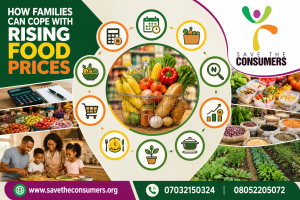
How Families Can Cope With Rising Food Prices
Rising food prices can put significant pressure on household budgets. Families can reduce the impact by planning carefully, avoiding waste, and making informed purchasing decisions.
- Create a Food Budget
Set a realistic weekly or monthly food budget and try to stay within it. Track spending to identify where money is going.
- Plan Meals in Advance
Prepare a meal plan before shopping. This helps prevent unnecessary purchases and makes it easier to buy only what the family needs.
- Compare Prices
Check prices at different markets, shops, and supermarkets before buying. Small differences in prices can make a significant difference over time.
- Buy Seasonal Foods
Seasonal fruits and vegetables are often more affordable because they are more readily available. Families can adjust their menus according to what is in season.
- Reduce Food Waste
Store food properly and use leftovers creatively. Foods that are likely to spoil should be consumed first.
- Choose Affordable Alternatives
Families can substitute expensive foods with nutritious and more affordable alternatives. For example, locally available staples, grains, legumes, vegetables, and other affordable protein sources can help stretch the household budget.
- Buy in Bulk When It Makes Sense
Buying non-perishable staples in larger quantities can reduce the cost per unit. However, families should only buy in bulk when they can afford it and are confident the food will be used before it expires.
- Grow Some Food at Home
Where space allows, families can grow vegetables, herbs, peppers, tomatoes, or other suitable crops. Even a small home garden can supplement household food supplies.
- Cook More at Home
Preparing meals at home can be less expensive than frequently purchasing prepared meals. Cooking in larger quantities can also save time and money.
- Avoid Impulse Purchases
Make a shopping list and stick to it. Avoid buying unnecessary snacks, beverages, or other items simply because they are on promotion.
- Prioritize Nutrition
Saving money should not mean sacrificing nutrition. Families should aim for balanced meals containing affordable sources of carbohydrates, protein, vegetables, fruits, and healthy fats.
- Share and Support One Another
Families and communities can reduce the pressure of rising food costs by sharing information about affordable markets, buying cooperatively where appropriate, and supporting local food producers.
Conclusion
Rising food prices can be challenging, but careful planning and responsible spending can help families manage their food budgets. Planning meals, comparing prices, reducing waste, choosing affordable nutritious foods, and avoiding unnecessary purchases can make household resources go further. The goal is not simply to spend less, but to make every amount spent on food provide the greatest possible nutritional and economic value.