
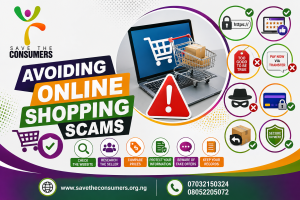
Avoiding Online Shopping Scams
Online shopping offers convenience, but scammers can use fake websites, social media accounts, counterfeit products, and fraudulent payment requests to deceive consumers. The following practices can help you shop more safely:
- Buy from trusted sellers – Use reputable websites, established retailers, or verified sellers with a clear business history.
- Check the website carefully – Look for the correct website address, secure connection, contact information, return policy, and other signs that the business is legitimate.
- Be careful with unusually cheap prices – Prices that are far below the normal market price can be a warning sign of a scam or counterfeit product.
- Research the seller – Search for independent reviews and complaints before making a purchase. Don’t rely only on reviews displayed on the seller’s own page.
- Avoid suspicious payment requests – Be cautious if a seller insists on unusual payment methods, asks you to transfer money to a personal account, or pressures you to pay immediately.
- Protect your personal information – Never provide unnecessary passwords, PINs, OTPs, or other sensitive information to an online seller.
- Check product descriptions and images – Compare product specifications, photographs, brand information, and model numbers with the manufacturer’s official information.
- Watch out for pressure tactics – Messages such as “pay now,” “last chance,” or “offer expires in minutes” can be used to prevent you from investigating the seller.
- Keep your transaction records – Save receipts, order confirmations, screenshots, seller details, and payment records in case you need to report a problem.
- Check the return and refund policy – A legitimate seller should provide clear information about returns, refunds, delivery, and customer complaints.
CONCLUSION
Avoiding online shopping scams requires consumers to be alert, informed, and cautious before making purchases. By verifying sellers and websites, checking product information and prices, using secure payment methods, protecting personal information, and keeping transaction records, consumers can significantly reduce the risk of being deceived. Online shopping can be safe and convenient when consumers take the time to stop, check, verify, and pay. Ultimately, an informed and careful consumer is better protected against online fraud and financial loss.