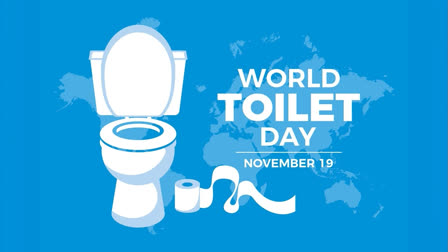
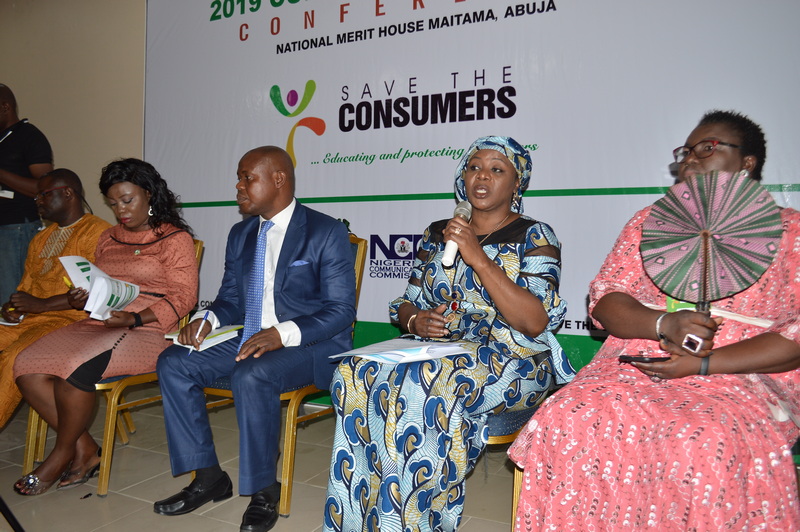
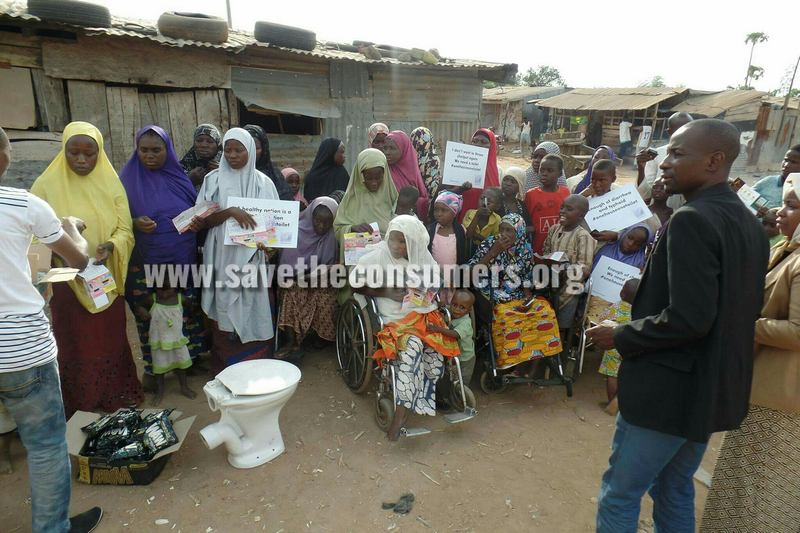
World Toilet Day, observed every November 19th, is a global call to action aimed at raising awareness about the importance of sanitation. In Nigeria, this day takes on particular significance, as millions of people across the country still lack access to safe and adequate sanitation facilities. This year’s theme, “TOILET:…
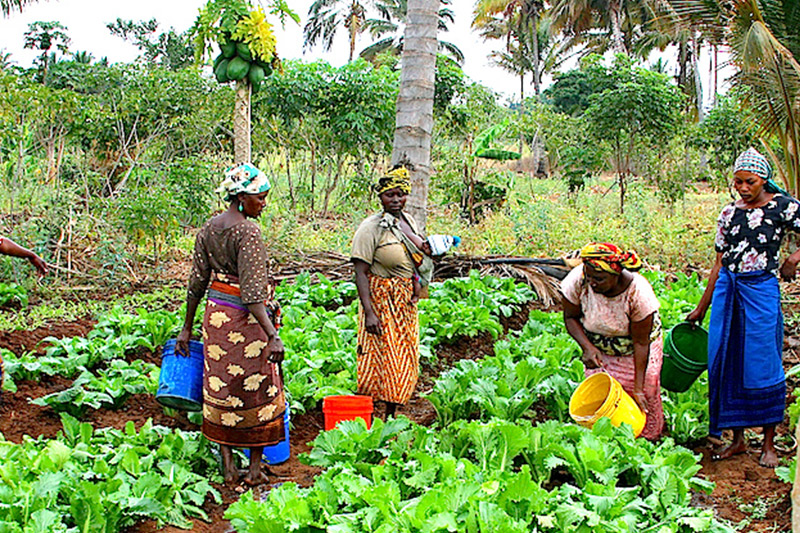
Agriculture is increasingly recognized as a crucial sector for economic development in Nigeria, and organizations like Save the Consumers often advocate for its potential to bolster the nation’s economy. Agriculture not only serves as the backbone of Nigeria’s economy but also holds the key to addressing many of the challenges…
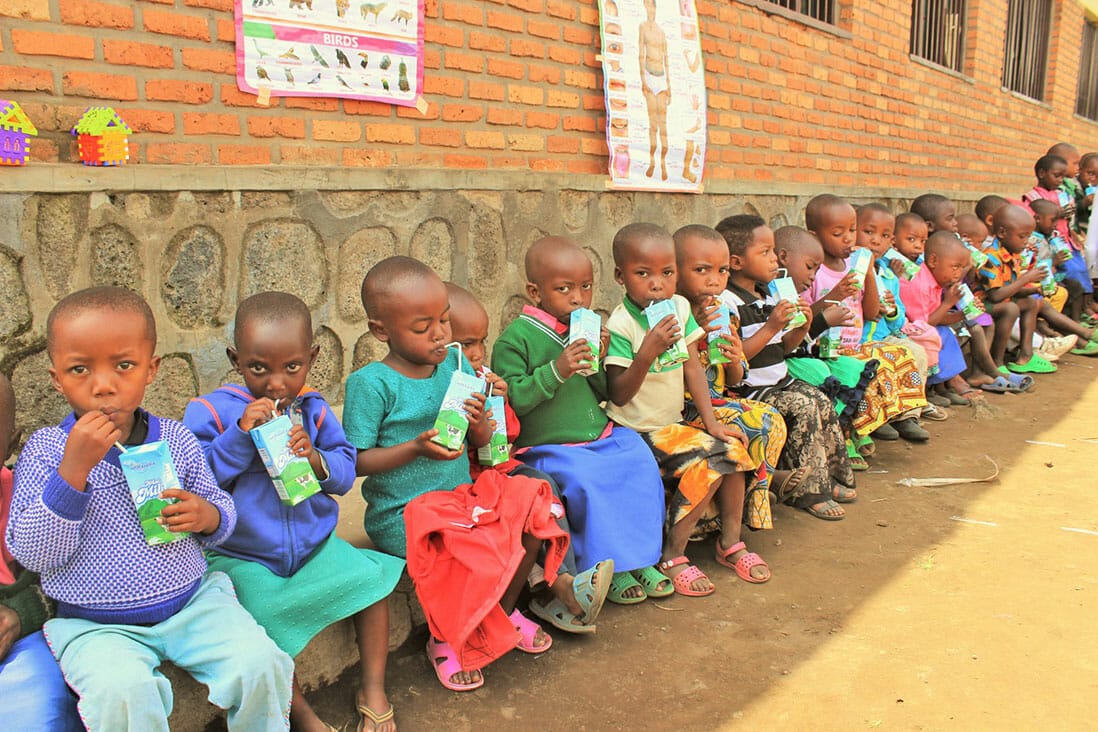
Nutrition education for children is essential to promote healthy eating habits, prevent malnutrition, and ensure optimal growth and development. Since children are in critical stages of growth, it’s vital that they receive the correct nutrients for physical and cognitive development. Proper nutrition education not only helps in preventing nutritional deficiencies…
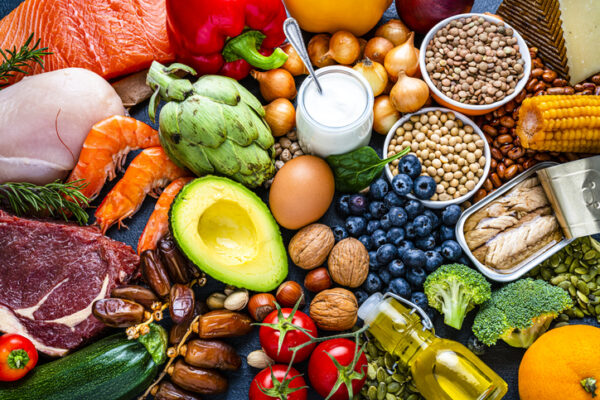
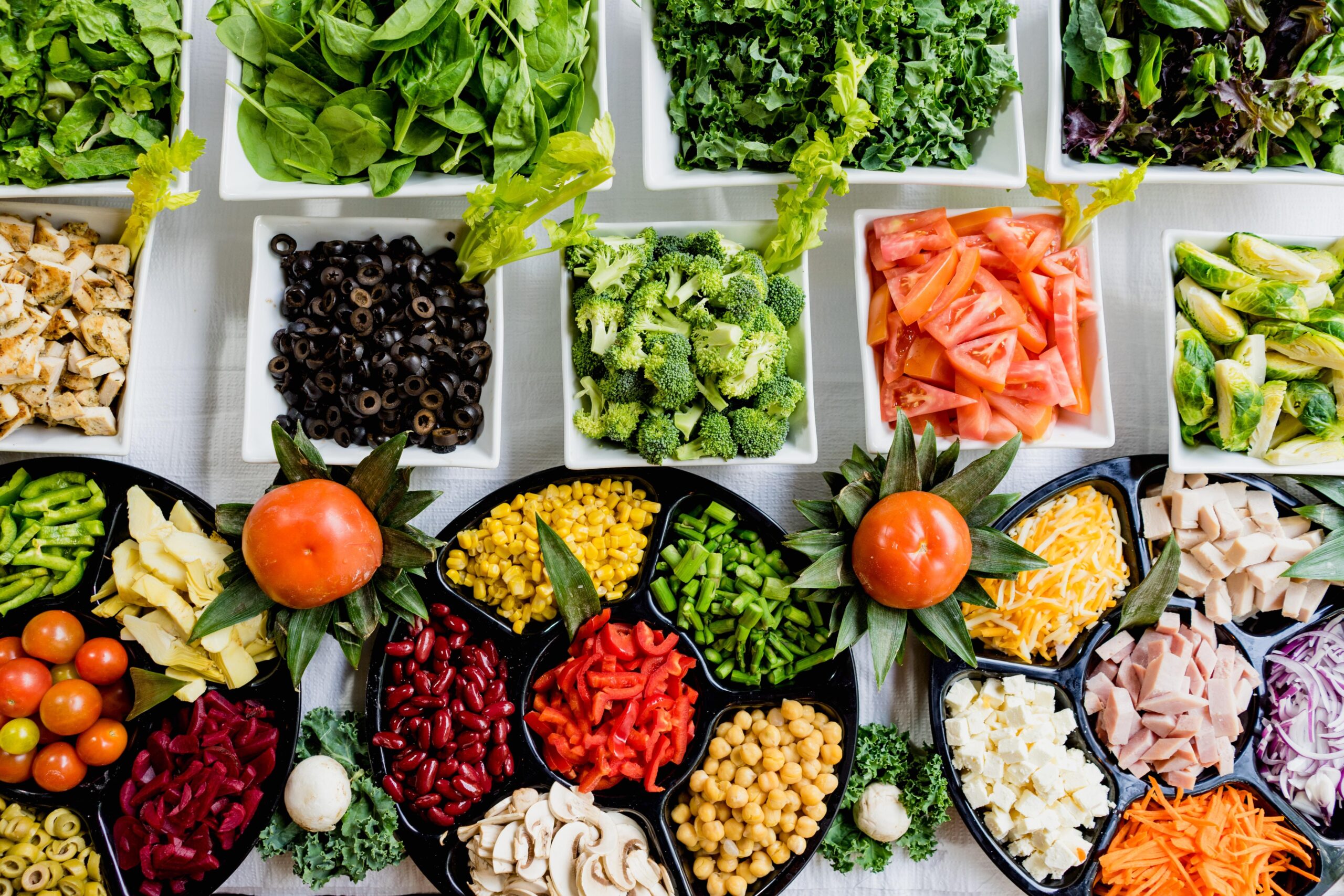
In a world where one-size-fits-all health solutions are increasingly being replaced by tailored approaches, Precision Nutrition stands at the forefront of the revolution in personalized health. By leveraging cutting-edge science, genetics, and technology, Precision Nutrition is transforming the way we approach diet, exercise, and overall wellness. This paradigm shift offers…
Nutrition plays a pivotal role in the overall health, productivity, and development of individuals and communities. In Nigeria, where diverse cultural, socioeconomic, and environmental factors influence dietary habits, ensuring adequate nutrition is critical for addressing public health challenges, fostering economic development, and promoting long-term well-being. Here are several key reasons…